How the Tobacco Industry Manipulates Data on Illicit Trade: The Kantar Ukraine Case

In this article 01. The government accommodates requests from the tobacco industry for a longer time frame for implementation or postponement of tobacco control law. (e.g. 180 days is common for PHW, Tax increase can be implemented within 1 month) (Rec 7.1) 02. The government gives privileges, incentives, exemptions or benefits to the tobacco industry (Rec 7.3) 03. Links Share In this article 01. Changes in the Interpretation of the Illicit Market in Kantar Reports 03. Links Share For years, the tobacco industry has used the argument of illicit trade as a universal tool to pressure governments. Whenever discussions arise about increasing excise taxes, introducing new restrictions, or strengthening control over tobacco and nicotine products, the industry warns that stricter rules will allegedly lead to a surge in contraband. To support this narrative, tobacco companies commission research from private consulting firms. At the same time, international data show that studies funded by the tobacco industry, including those on the illicit trade of tobacco products, are unreliable, serve exclusively the commercial interests of the tobacco industry, and cannot be used as a basis for public policy-making. In Ukraine, a key source of such data is the Kantar Ukraine reports on monitoring the illicit trade of tobacco products, prepared on commission from the tobacco manufacturers themselves. This fact alone creates an obvious conflict of interest: the research methodology is not fully transparent to the public, and the results are systematically used in public debates to justify the need to relax government regulation. However, a detailed analysis of these reports shows that the problem lies not only in the lack of transparency but also in manipulation of how the results are presented, which can mislead government officials, parliamentarians, and the expert community. Changes in the Interpretation of the Illicit Market in Kantar Reports A striking example of possible data manipulation is the change in Kantar Ukraine’s methodological approach at the turn of 2020–2021. In the Kantar Ukraine report “Illicit Tobacco Market Research: 2020 Results” (24 December 2020), only two main categories of illicit products were highlighted: “Counterfeit Products” “Smuggling or Products Not Labeled with Ukrainian Excise Stamps”. The products of certain manufacturers, in particular the Vynnyky Tobacco Factory, as stated in the Kantar Ukraine report, were produced without paying taxes and labeled Duty Free/Export, which are likely illegal tobacco products, and were grouped into one category with smuggled goods. Red: Counterfeit Products Grey: Smuggling Infographic from Kantar Ukraine 2020 report: classification of illicit products into two categories. Source: Illicit Tobacco Market Research: 2020 Results, Kantar Ukraine. It is important to note that smuggling is defined in the Criminal Code of Ukraine as the movement of excise goods across the country’s customs border either without customs control or by concealing them from customs control. It is obvious that tobacco products manufactured in Ukraine cannot be considered smuggled, as indicated in Kantar Ukraine reports up to October 2020. The likely aim of this approach was to mislead government officials, parliamentarians, the public, and the expert community about the sources of illicit tobacco products, thereby hindering effective measures to reduce tobacco and nicotine consumption. Data from the report indicate that the main source of illicit tobacco products in Ukraine was a legal tobacco factory. However, the research company classified this category as “contraband,” i.e., illegally imported into the country. Instead, it would be appropriate to classify such products as illegal tobacco products, likely manufactured within the territory of Ukraine. Starting in February 2021, the research methodology was revised: a third category was introduced—“Duty Free or Export-Labeled Products Illegally Sold in Ukraine” (Illicit Tobacco Market Research: February 2021 Results, May 2021). Red: Counterfeit Products Light Orange: Duty Free or Export-Labeled Products Illegally Sold in Ukraine Grey: Smuggling Infographic from Kantar Ukraine February 2021 report: separate category for Duty Free/Export products. Source: Illicit Tobacco Market Research: February 2021 Results, Kantar Ukraine. Crucially, this category was not only applied to current data but was also reflected in charts and comparative materials for previous years. In effect, this represents a retrospective revision of the illicit market structure. This suggests that researchers had both the technical and analytical capacity to correctly identify the source of illicit products earlier but, for certain reasons, did not do so. Such a shift in approach indicates that continuing to misrepresent the scale of illicit production by legal Ukrainian factories under the guise of “foreign contraband” had become unnecessary for the tobacco industry’s commercial interests. For years, the research company misleadingly focused primarily on the issue of cigarette smuggling (illegal importation), while, according to its own data, the main source of illicit products was illegal tobacco manufactured domestically. This approach clearly did not reflect the actual structure of the illicit market and could lead to ineffective regulatory decisions. The tobacco industry used[][][] this in its commercial interests to oppose tobacco excise tax increases and to slow down or delay excise policy implementation without proper analysis of the actual scale and sources of illicit tobacco products. Systematic research confirms that such industry practices are aimed at discrediting and undermining effective measures to reduce tobacco consumption among the population. This article has been produced with the help of a grant from Vital Strategies on behalf of Bloomberg Philanthropies. The contents of this article are the sole responsibility of the authors and can under no circumstances be regarded as reflecting the positions of the donors.
How the Tobacco Industry Interferes with Health Policy in Ukraine: Regulatory Spamming
In this article 01. The government accommodates requests from the tobacco industry for a longer time frame for implementation or postponement of tobacco control law. (e.g. 180 days is common for PHW, Tax increase can be implemented within 1 month) (Rec 7.1) 02. The government gives privileges, incentives, exemptions or benefits to the tobacco industry (Rec 7.3) 03. Links Share In this article 01. Law No. 1978-IX: Regulatory Spamming as a Way to Weaken Effective Tobacco Control Initiatives 02. Interference in the Development of Law No. 4115-IX on Tobacco Excise Increases 03. Consequences of Tobacco Industry Interference 03. Links Share In March 2006, Ukraine ratified[1] the WHO Framework Convention on Tobacco Control (WHO FCTC), thereby joining the key international instrument designed to protect populations from the harmful effects of tobacco and nicotine. Since then, Ukraine has introduced a number of effective tobacco control measures that have delivered tangible results: smoke-free workplaces and public indoor spaces, bans on tobacco advertising and sponsorship, the introduction of health warnings, and increases in excise taxes. Between 2005 and 2017, smoking prevalence among children decreased by 43%, and among adults it declined by 20% between 2010 and 2017[2]. At the same time, any legislative initiative aimed at protecting public health inevitably faces resistance from the tobacco industry, whose objective is to sell tobacco and nicotine products and preserve influence over policy-making processes in order to continue recruiting new consumers – primarily among children[3]. The Guidelines for implementation of Article 5.3 of the WHO FCTC state:“The tobacco industry should not be a partner in any initiative linked to setting or implementing public health policies, given that its interests are in direct conflict with the goals of public health.”[4] The corporate political activity of tobacco companies is described in detail in the “Policy Dystopia Model,”[5] developed on the basis of a large body of evidence, including internal industry documents. According to this model, when confronted with tobacco control initiatives designed to protect the population, the industry seeks to achieve one of several desired outcomes: defeat – scrapping or shelving the policy; delay and weakening are sought if defeat is not possible; foreclosing the legislative space is a future-facing strategy designed to make subsequent initiation and enactment of tobacco regulation more difficult; overturning and avoidance – once policy or regulation is in place, the industry may seek to overturn it. Alternatively, it attempts regulatory/policy avoidance through noncompliance, circumventing the rules or, for earmarked taxes, diverting earmarked funds. Examples of the “Policy Dystopia Model” Regulatory and Lobbying Tactics of the Tobacco Industry The WHO identifies the following regulatory tactics used by the tobacco industry: providing draft policies or provisions that include pro-industry language, enforcement loopholes or limiting language (e.g. “as appropriate” or “knowingly”); promoting policies that divert resources or funds away from tobacco control; diverting focus onto less effective tobacco control measures such as youth access restrictions and cessation/dependence treatment. Tobacco industry lobbying tactics include: providing campaign contributions either directly or indirectly to politicians or political parties; lobbying directly and through trade associations (e.g. American Chamber of Commerce); using procedural grounds or trade and investment protections to challenge tobacco control policies and threaten legislation[6]. One of the key legal tools used by the tobacco industry is the registration of alternative bills that serve the commercial interests of the industry, as well as the mass submission of amendments (so-called “regulatory spamming”) aimed at delaying consideration, weakening decisions, postponing entry into force, distorting legislation, and making enforcement impossible. Below, we examine how this tactic is applied in Ukraine using two laws as examples: Law No. 1978-IX[7] (strengthening non-price measures) and Law No. 4115-IX[8] (excise tax policy). Law No. 1978-IX: Regulatory Spamming as a Way to Weaken Effective Tobacco Control Initiatives What Changes Did Law No. 1978-IX Introduce? Law of Ukraine No. 1978-IX “On Amendments to Certain Laws of Ukraine to Protect Public Health from the Harmful Effects of Tobacco” (originally Draft Law No. 4358) was adopted in December 2021 and introduced significant strengthening of non-price tobacco control measures, including: ensuring a fully smoke-free environment in all public and workplace indoor premises by banning the use of heated tobacco products (HTPs) on the same basis as cigarettes and e-cigarettes; introducing health warnings on e-cigarette packaging; increasing combined health warnings on cigarette packs to 65% of the package surface area; banning the sale of cigarettes and e-cigarettes with flavors; banning advertising and sales promotion of HTPs, e-cigarettes, and their liquids; establishing a fine for their sale to persons under the age of 18. However, due to interference by the tobacco industry, the draft law ultimately excluded provisions on banning tobacco displays at points of sale (a form of tobacco advertising), introducing combined (text + image) health warnings covering 65% of the pack for HTPs, and banning flavoring additives for HTPs. Weaker Alternatives or “Legislative Spamming” So-called “legislative spamming” refers to the registration of multiple alternative bills to the main draft law with the aim of weakening, delaying, or blocking effective regulatory solutions. In this way, the tobacco industry – through affiliated members of parliament – seeks to exploit legislative procedures to protect its commercial interests. During the consideration of Law No. 1978-IX, five alternative initiatives were registered to block and weaken it. All were substantially weaker than the main draft and sought to exclude HTPs and tobacco-heating devices from full regulation. They would have allowed flavored HTPs, permitted their use in indoor public spaces, introduced smaller health warnings than those proposed in the main draft, omitted bans on advertising HTPs and heating devices, and weakened the legislation in force at that time. These alternative initiatives contradicted Ukraine’s international obligations to implement the WHO FCTC and Directive 2014/40/EU. In several cases, the same MPs registered multiple alternatives—a typical sign of legislative spamming. Marian Zablotskyi and Yevhen Petruniak registered Draft Laws No. 4358-1[9] and No. 4358-5[10], which among other things proposed allowing smoking in restaurants again. Ivan Shynkarenko registered Draft Laws No. 4358-2[11] and No. 4358-4[12]. Moreover, some initiators of the alternative draft laws
How Tobacco Industry Front Groups Interfere in Health Policy
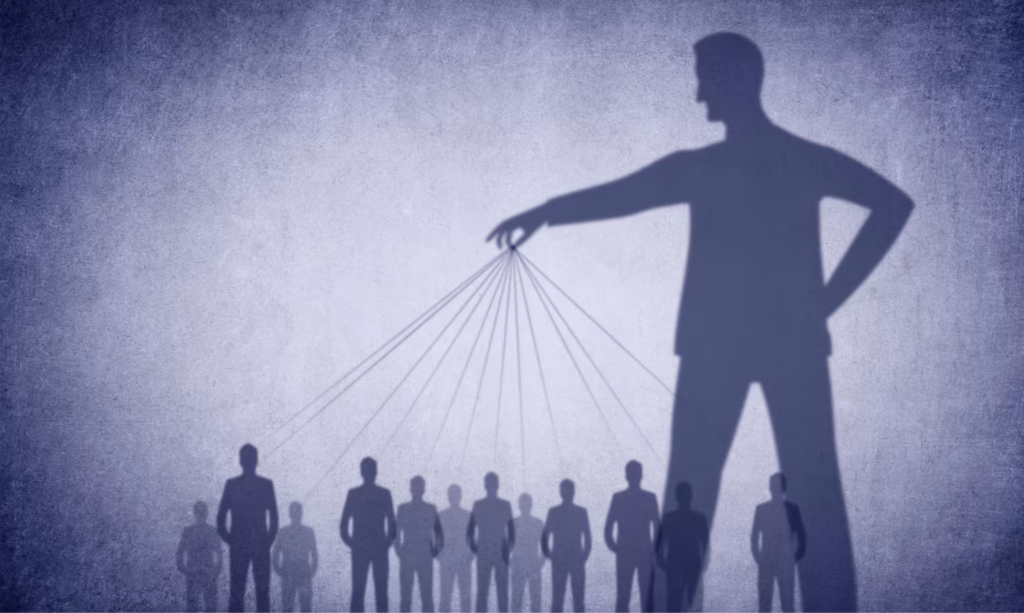
In this article 01. The government accommodates requests from the tobacco industry for a longer time frame for implementation or postponement of tobacco control law. (e.g. 180 days is common for PHW, Tax increase can be implemented within 1 month) (Rec 7.1) 02. The government gives privileges, incentives, exemptions or benefits to the tobacco industry (Rec 7.3) 03. Links Share In this article 01. Regulation of Nicotine Pouches – Third-Party Pressure 02. State Consumer Service – a Platform for Tobacco Industry Influence? 03. Attempts to Reintroduce Smoking in Restaurants via Front Groups 04. Links Share To advance its commercial interests, the tobacco industry employs a range of tactics, one of which is the so-called third-party technique[1]. This method is implemented through front groups, some of which operate openly – lobbying and business associations, where the membership of tobacco corporations is public (e.g., business associations). Another part is disguised as independent civil society organizations or citizen initiatives, professional groups, etc., which supposedly protect public interests but are, in fact, affiliated with the tobacco industry. This practice is known as astroturfing – simulating public support to promote commercial interests[2]. Picture: iStock Astroturfing is the term used for the faking of a grassroots movement, when in reality the agenda and strategy is controlled by a hidden company or organisation. In that sense, it is one of the typical Third Party Techniques – a very specific use of Front Groups, consisting of individuals pretending to be voicing their own opinions on their own initiative, mimicking genuine activist groups. Ukrainian Law No. 2899-IV prohibits any form of financial or other support from the tobacco industry or related organizations to events, activities, individuals, or groups, including political parties, politicians, public figures, athletes, sports teams, artists, artistic groups, or educational institutions of all forms of ownership[3]. However, tobacco companies violate the law to serve their commercial interests by providing charitable contributions to nonprofit organizations, think tanks, and foundations that, in turn, attempt to influence public opinion, policymakers, and government officials[4]. Regulation of Nicotine Pouches – Third-Party Pressure The situation regarding the regulation of nicotine pouches in Ukraine is a clear example of the third-party technique. Shortly after these products appeared, the tobacco industry began actively promoting their legalization and opposing bans supported by the Ministry of Health of Ukraine[5], using influence groups. These include: Business Associations: American Chamber of Commerce[6], Union of Ukrainian Entrepreneurs[7], Association “Ukrtyutyun”[8], European Business Association – sending identical letters to the Health Committee arguing for the regulation of nicotine pouches and participating in public discussions on the issue[9]. Pseudo-expert Civil Society Organizations:Some organizations declare themselves as expert or socially beneficial, but systematically advocate positions favorable to the tobacco industry. NGO “Growford Institute” – its expert Tetiana Koshchuk publicly promoted claims about alleged budget losses if nicotine pouches or flavored tobacco products were banned or strictly regulated[10]. The institute systematically promotes tobacco industry interests – defending the 25% excise preference for heated tobacco products compared to cigarettes[11][12][13][14][15][16][17][18] and opposing strengthened non-price tobacco control measures (e.g., bans on tobacco product display at points of sale, flavored heated tobacco product bans, combined health warnings on packs)[19]. Platform “Preventive Hub”[20] (registered as the “All-Ukrainian Association of Preventive Cardiology and Rehabilitation”[21]) positions itself as a network of doctors allegedly working on evidence-based preventive medicine. The authorized person is Olha Sribna, a cardiologist, who systematically opposes stricter tobacco control laws[22][23]. The organization promotes harm reduction narratives that mirror tobacco industry messaging and are used to justify nicotine product proliferation. The World Health Organization (WHO) warns that tobacco companies illegitimately appropriate harm reduction concepts for public health while mass-marketing harmful products like heated tobacco products, e-cigarettes, and nicotine pouches. Genuine harm reduction programs involve health-sector actors achieving public health goals through scientifically justified strategies and interventions under strict monitoring[24]. Among the organisation’s partners are the M. S. Baksheev Foundation, which received $12,000 from Philip Morris International in 2023[25], and the All-Ukrainian Respiratory Club, headed by Yevhen Symonets, who systematically broadcasts messages that reflect the commercial interests of the tobacco industry and contradict the WHO’s approaches to overcoming tobacco and nicotine addiction[26][27]. Among involved “experts” are Yevhen Symonets, Olha Sribna, Serhii Baksheev, Vadym Zhezhera (promoting nicotine as a “less harmful alternative” to smoking)[28], and Viktor Komarenko, a military psychologist, who publicly claims nicotine pouches are a “safer alternative” for soldiers and for stimulating the nervous system in challenging conditions[29]. These positions collectively echo tobacco industry narratives and contradict evidence-based public health policy. In December 2025, Preventive Hub published an open letter to the Health Committee calling for “regulation” of the nicotine pouch market, proposing a maximum nicotine level of 16.6 mg per pouch – a position significantly at odds with WHO and Ministry of Health recommendations, which support banning nicotine pouches[30]. While advertising restrictions were mentioned, flavoring – a key marketing tool targeting youth – was completely ignored. WHO emphasizes that nicotine is a dangerous drug that is addictive and encourages the continued use of tobacco and nicotine products[31]. Nicotine is particularly dangerous for the health of children and adolescents. Nicotine use has significant risks for the cardiovascular and nervous systems of the human body. Nicotine dependence is classified as a behavioral and mental disorder under the International Classification of Diseases, 11th Revision (ICD-11), code 6C4A[32]. According to the European Union’s REACH Regulation, nicotine is classified as highly toxic if it enters the body through the mouth, skin, or respiratory tract and may cause death[33]. WHO recommends a precautionary approach to nicotine pouches, including prohibition or strict regulation, to prevent creating new markets and ensure high levels of health protection[34]. State Consumer Service – a Platform for Tobacco Industry Influence? Contrary to Article 5.3 of the WHO FCTC and Article 4 of Ukrainian Law No. 2899-IV, which require the protection of public health policies from the commercial and other vested interests of the tobacco industry, the State Service of Ukraine for Food Safety and Consumer Protection has become a platform for promoting decisions that benefit the tobacco industry: in January 2025,
The Threat of Introducing Incentives for Tobacco Cultivation in Ukraine
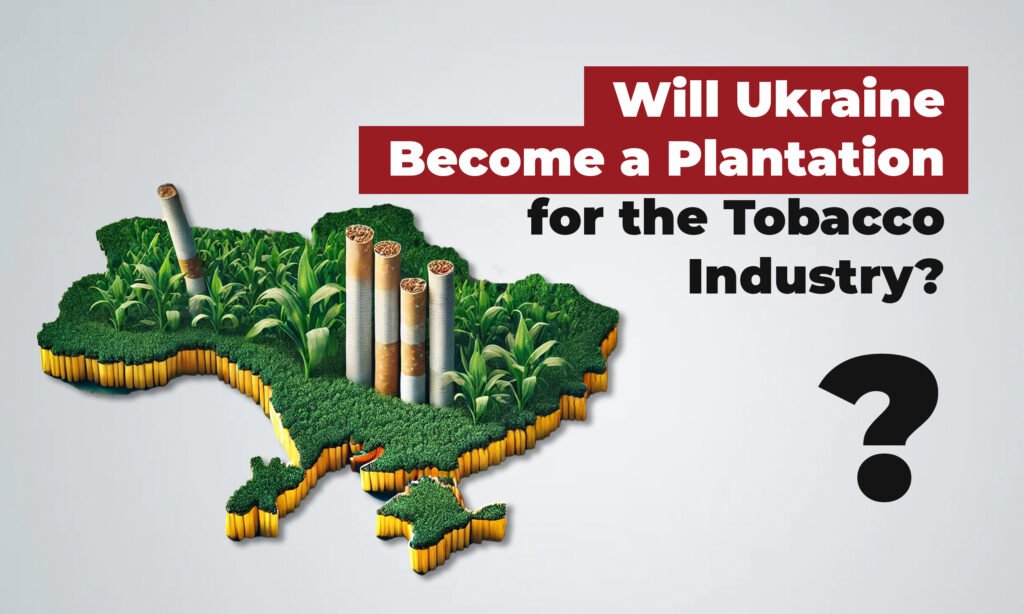
In this article 01. The government accommodates requests from the tobacco industry for a longer time frame for implementation or postponement of tobacco control law. (e.g. 180 days is common for PHW, Tax increase can be implemented within 1 month) (Rec 7.1) 02. The government gives privileges, incentives, exemptions or benefits to the tobacco industry (Rec 7.3) 03. Links Share In this article 01. International Efforts and Ukraine’s Commitments to Promote the Abandonment of Tobacco Cultivation 02. Legislative Initiatives to Promote Tobacco Cultivation in 2024–2025 03. Links Share Tobacco cultivation is a global problem that poses risks to human health, the environment, and contradicts sustainable development. Ukraine has been fortunate to move away from dependence on tobacco cultivation: over the past decades, agricultural sector has shifted from growing tobacco to other safe and economically valuable crops, reducing occupational health risks and lowering environmental burdens. Currently, the main tobacco-growing areas in the world are concentrated in warm and humid regions with a high proportion of low-cost labor, including Zimbabwe, Malawi, China, India, and Brazil. The promotion of ideas to revive tobacco cultivation follows a model classic to the tobacco industry of creating a “broad circle of stakeholders”, where, under the guise of supporting farmers, regional development, or employment, the commercial interests of tobacco product manufacturers are in fact being advanced. This strategy has been repeatedly documented in other countries and is regarded by the WHO as a form of interference by the tobacco industry in policymaking. According to the State Statistics Service of Ukraine, as of 2024, volume (gross collection) of tobacco cultivation in Ukraine was 22.5 thousand hundredweight (2 250 tons). At the same time, the total sown area is only 1.1 thousand hectares (0.01% of the total area of technical crops in Ukraine). However, at the end of 2024, legislative initiatives aimed at stimulating tobacco cultivation became more active in Ukraine, which may indicate the influence of the tobacco industry on the shaping of public policy, contrary to the principles of protecting public health. International Efforts and Ukraine’s Commitments to Promote the Abandonment of Tobacco Cultivation In 2006, Ukraine ratified the WHO Framework Convention on Tobacco Control (FCTC), which establishes a set of obligations aimed at reducing the scale of tobacco production and consumption, as well as protecting public policy from interference by the tobacco industry. In particular: Article 17 of the Convention calls on Parties to promote the development of economically viable alternatives for individuals engaged in tobacco growing and production; Article 18 obliges Parties to give due consideration to environmental protection and public health when carrying out any activities related to the cultivation and production of tobacco products. The importance of implementing the FCTC in Ukraine is also reinforced by Presidential Decree No. 722/2019, which includes task 3.a — to accelerate FCTC implementation across all areas of public policy. At the same time, promoting tobacco cultivation directly contradicts the Sustainable Development Goals, particularly Goals 3 (Good Health and Well-being), 8 (Decent Work and Economic Growth), 12 (Responsible Consumption and Production) and 15 (Ecosystem Conservation). In Ukraine, over 100 000 people die prematurely each year from tobacco-related diseases. According to WHO, tobacco plantation workers suffer from nicotine poisoning (“green tobacco sickness”) as nicotine is absorbed through the skin during leaf harvesting. One in four farmers involved in tobacco cultivation experiences acute poisoning symptoms, and exposure to toxic substances affects their family members, including children. Resuming tobacco cultivation would increase the number of workers exposed to occupational hazards while exacerbating the tobacco epidemic through the creation of new economic dependencies for communities. Additionally, tobacco cultivation is highly resource-intensive for the environment. According to WHO estimates, globally the tobacco industry destroys 600 million trees annually, occupies over 200,000 hectares of fertile land, and consumes over 22 billion tons of water. For Ukraine, these consequences pose a threat to food security and the sustainable development of the agricultural sector. Expanding tobacco cultivation would require significant amounts of manual labor and displace crops of real economic value necessary for domestic food supply. Legislative Initiatives to Promote Tobacco Cultivation in 2024–2025 Between 2024 and 2025, a series of bills aimed at restoring and incentivizing tobacco cultivation in Ukraine were registered in the Verkhovna Rada. In particular, on 15 August 2025, Member of Parliament Marian Zablotskyi – who prior to his parliamentary work headed the NGO “Ukrainian Society for Economic Freedoms” and received funding from the tobacco company Philip Morris International totaling USD 427,000 during 2017–2019 – registered Bill No. 13628. The bill proposed introducing quotas for the use of Ukrainian tobacco in the production of tobacco products, ranging from 2% in 2027 to 5% from 2029, thereby creating economic incentives for cultivating tobacco raw materials in Ukraine. During its consideration on 8 October 2025, the Bill was rejected by parliament. It should be noted that Bill No. 13628 was neither the first nor the last attempt to stimulate tobacco cultivation in Ukraine. Throughout 2024-2025, legislative initiatives of a similar nature regularly appeared in parliament, proposing mandatory quotas for the use of Ukrainian tobacco raw materials in the production of tobacco products and the gradual increase of such quotas over several years. As of December 2025, new proposals had been submitted, despite Ukraine’s international obligations and the principles of protecting public health. It is also worth noting that, according to journalists, a working group was convened during the preparation of legislative changes, to which representatives of the tobacco industry were invited, while representatives of the expert civil society community were not included among the participants. In the development of state policy in the field of preventing and reducing tobacco and nicotine use, Article 4 of the Law of Ukraine No. 2899-IV establishes the priority of public health policy over the financial, tax, and corporate interests of entities associated with the tobacco industry. This principle is reinforced by Article 5.3 of the WHO Framework Convention on Tobacco Control, which emphasizes the need to protect public health policy from the commercial and corporate influence of
One Click to Addiction: Legalizing Remote Sales of Tobacco Products
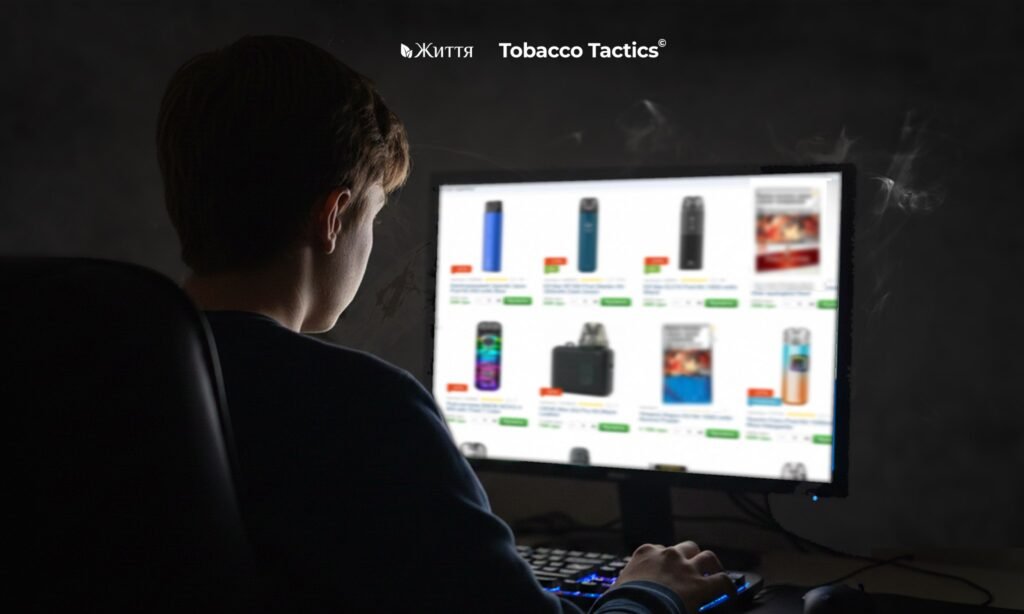
In this article 01. The government accommodates requests from the tobacco industry for a longer time frame for implementation or postponement of tobacco control law. (e.g. 180 days is common for PHW, Tax increase can be implemented within 1 month) (Rec 7.1) 02. The government gives privileges, incentives, exemptions or benefits to the tobacco industry (Rec 7.3) 03. Links Share In this article 01. How Remote Sales of Tobacco and Nicotine Products Were Introduced in Ukraine 02. Risks of Online Sales of Tobacco and Nicotine Products 03. Ban on Online Sales as a Public Health Measure 04. Links Share Despite the state’s declared commitment to strengthening tobacco and nicotine control measures and fulfilling its international obligations under the WHO Framework Convention on Tobacco Control (WHO FCTC), in 2024 the Verkhovna Rada of Ukraine adopted a law that legalized remote sales of tobacco and nicotine products in Ukraine, creating conditions for wider access to these products, including among children and adolescents. The purpose of this publication is to examine the tobacco industry’s interference on the legalization of remote tobacco sales in Ukraine and to assess how this affects public health policy. How Remote Sales of Tobacco and Nicotine Products Were Introduced in Ukraine The Guidelines for implementation of Article 13 of the WHO FCTC state that online sales of tobacco products inherently involve advertising and promotion. According to the decision at the Conference of the Parties FCTC/COP/3/9 of 2 September 2008, the most effective way to avoid online promotion of tobacco products is to ban remote tobacco sales. Where bans are not yet implemented, it is recommended to limit online sales to text‑only product lists with prices, without images or any promotional elements. A prohibition on remote sales helps reduce the level of illicit trade in tobacco products and aligns with Article 11 of the Protocol to Eliminate Illicit Trade in Tobacco Products, which stipulates that each Party should consider banning retail sales of tobacco products via the Internet, telecommunications, or any other modern technological means of sale. Until 2024, Law of Ukraine No. 481/95‑VR prohibited sales of tobacco products in unspecified locations, which effectively excluded their distribution via online stores. The law required that tobacco sales take place only:1) in designated retail locations that are physical premises,2) subject to license,3) and with age verification upon request by the seller. These requirements ensured control over the placement of tobacco products and the responsibility of the seller and business entity for proper age verification. According to data from the State Tax Service of Ukraine, online sales of tobacco products directly contradicted the legislation in force at that time. Despite the position of the Ministry of Health of Ukraine and numerous comments from public health experts, on 18 June 2024 the Verkhovna Rada adopted, in the second reading, Draft Law No. 10346 “On State Regulation of the Production and Circulation of Ethyl Alcohol, Distilled Spirits, Bioethanol, Alcoholic Beverages, Tobacco Products, Tobacco Raw Materials, Liquids Used in Electronic Cigarettes, and Fuel”. The law entered into force on 27 July 2024 after being signed by the President. One of its innovations introduced the possibility of conducting remote sales of tobacco and nicotine products using electronic communication tools. This step contradicts MPOWER policies and the provisions of the WHO FCTC, as it significantly expands access to these products, particularly for children and adolescents, undermining state efforts to reduce levels of tobacco (nicotine) addiction. According to the updated version of the Law, the provisions on the online sale of tobacco and nicotine products will enter into force on 1 November 2026. The initiator of the draft law was the Chair of the Committee on Finance, Tax, and Customs Policy, Danylo Hetmantsev. Co‑authors included Members of Parliament Ihor Marchuk, Yaroslav Zhelezniak, Maryana Bezuhla, Ihor Vasyliev, Oleksandr Sova, Vasyl Virastiuk, Viktoriia Kinzburska, and Serhii Shvets. In its conclusion on Draft Law No. 10346, the Verkhovna Rada Committee on National Health, Medical Care and Health Insurance recommended removing provisions introducing remote sales of tobacco products, electronic cigarettes, and alcoholic beverages, leaving sales of such products permissible only in designated retail locations, as required by existing legislation. According to research by the Kyiv International Institute of Sociology (KIIS), only 2.8% of tobacco consumers in Ukraine purchase such products remotely. This indicates that banning online sales would have minimal economic impact on the market while significantly reducing risks of youth access to tobacco products. During the meeting of the Committee on Finance, Tax, and Customs Policy on Draft Law No. 10346 members of Parliament Danylo Hetmantsev and Yaroslav Zhelezniak argued that banning remote sales would harm legitimate businesses and strengthen illicit producers and distributors. This position reflects the commercial interests of the tobacco industry, as it expands distribution channels and increases sales potential among younger generations, who more actively use online services. However, this argument fails to consider the key risk — the lack of effective age‑verification mechanisms during online orders and the inability to ensure that tobacco and nicotine products are received by adults. Under such conditions, remote sales significantly increase the likelihood of children and adolescents purchasing tobacco products, further exacerbating the issue of accessibility and contradicting public health goals. During public monitoring conducted while Draft Law No. 10346 was under review, it was found that 10 out of 10 major supermarket chains offering online delivery sold tobacco and alcohol products to a 14‑year‑old volunteer without any age or ID verification. These findings demonstrate systematic violations of the law and show how the industry leverages online sales to increase profits at the expense of children’s and youth health. Additionally, in April 2024, during discussions on Draft Law No. 10346, the Chair of the Verkhovna Rada Committee on Finance, Tax, and Customs Policy, Danylo Hetmantsev, attended events organized by Healthy Initiatives — an organization funded by Philip Morris — with participation of “Ukrtyutiun,” an association founded by four transnational tobacco companies (Imperial Tobacco, British American Tobacco, Japan Tobacco International, and Philip Morris). Risks of Online Sales of Tobacco and Nicotine
A 25% tax preference for heated tobacco products is a textbook example of tobacco industry interference
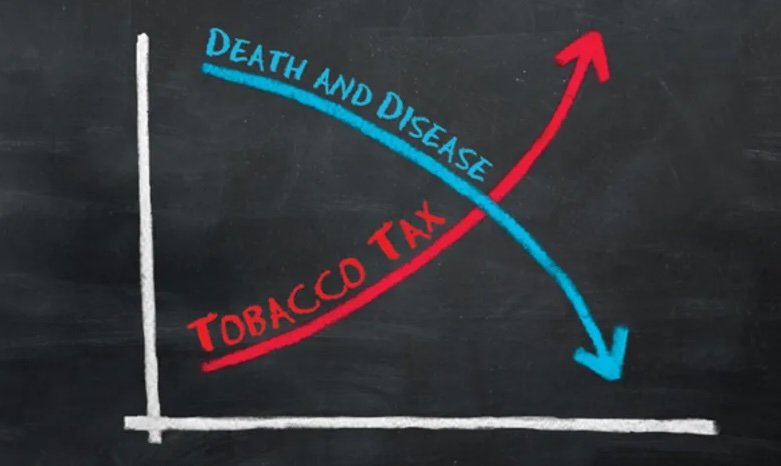
In this article 01. The government accommodates requests from the tobacco industry for a longer time frame for implementation or postponement of tobacco control law. (e.g. 180 days is common for PHW, Tax increase can be implemented within 1 month) (Rec 7.1) 02. The government gives privileges, incentives, exemptions or benefits to the tobacco industry (Rec 7.3) 03. Links Share In this article 01. Prerequisites for revising excise taxes on tobacco products 02. New excise tax plan developed with participation of the tobacco industry 03. Arguments of the tobacco industry during the drafting and adoption of Law No. 4115-IX 04. Tactics of the tobacco industry during the drafting and adoption of Law No. 4115-IX 05. Delaying the signing 06. It was tobacco companies sponsoring the war that received tax preference 07. The burden of tobacco for Ukraine 08. Documents and materials on the interference of the tobacco industry Share According to the World Health Organization, raising excise taxes on tobacco and nicotine products is the most effective tool for reducing their consumption. The World Bank estimates that a 10% increase in the price of a pack of cigarettes reduces the consumption of tobacco products by 6-8% in low- and middle-income countries, which include Ukraine. That is why the tobacco industry consistently opposes any tax initiatives that could limit its profits. Picture: World Health Organization Ukraine was no exception. Law No. 4115-IX “On Amendments to the Tax Code of Ukraine Regarding the Revision of Excise Tax Rates on Tobacco Products” caused a significant stir from the moment it was drafted until it was signed by the President, which was delayed for three months. This case has become a textbook example of the tobacco industry’s systematic interference in the process of shaping public health policy, resulting in the creation of conditions for maintaining the affordability of tobacco products for young people and billions of hryvnia in lost revenue for the state budget. Prerequisites for revising excise taxes on tobacco products Having chosen an irreversible course towards European integration, Ukraine has committed itself to adapting its national legislation to EU law, in particular to implementing the requirements of Directive 2011/64/EU, which provides for the establishment of a minimum excise duty on cigarettes at a level of €90 per 1,000 cigarettes. To this end, an eight-year plan was introduced for 2018-2025 to increase excise taxes on tobacco products by 20% annually, with an additional 9% increase from July 1, 2019. This was an effective strategy that contributed to a reduction in tobacco consumption among the population and also ensured budget revenues from this harmful product. In 2024, the Ukrainian state budget’s revenues from excise taxes on tobacco products and liquids used in e-cigarettes amounted to UAH 96.6 billion. In 2021, Ukraine took another progressive step towards protecting young people from tobacco by harmonizing the excise tax on cigarillos and tobacco products for heating (HTPs, used with IQOS, plooom, and glo devices) to the level of the minimum excise duty on cigarettes. With this decision, Ukraine curbed the availability of HTPs, which at the time enjoyed significant regulatory preferences (unrestricted advertising, no health warnings, permission to smoke in public places), and ensured the stability of excise revenues to the Ukrainian state budget. In just the first year of harmonized taxation, excise tax revenues on tobacco products increased sixfold compared to the previous year 2020, from UAH 1.7 billion to UAH 10.2 billion, and in 2024, this figure reached UAH 17.9 billion. In a letter to the President of Ukraine, the Director of the WHO noted this progressive decision as an example for the international community in protecting public health. However, due to inflation and the devaluation of the hryvnia, caused in particular by the war, it became clear as early as 2022 that Ukraine would not reach the EU excise duty level in 2025, and therefore the plan to increase excise duties needed to be revised. The tobacco industry also realized the inevitability of this decision and began to apply its arsenal of tactics at the initial stage of policy formation. New excise tax plan developed with participation of the tobacco industry At the end of 2023, the Ministry of Finance of Ukraine submitted for public discussion, and on March 18, 2024, registered in the Verkhovna Rada draft law No. 11090 “On Amendments to the Tax Code of Ukraine Regarding the Revision of Excise Tax Rates on Tobacco Products,” which proposed the following changes: Positive decisions Weak decisions Conversion of excise duty calculations on tobacco and nicotine products into euros to avoid the impact of devaluation. Plan to increase excise duties on cigarettes to €90 per 1,000 cigarettes by 2028 (the minimum level in the European Union, as required by Directive 2011/64/EU). Setting the rate for e-cigarette liquids at €300 per liter in 2025. Creation of a 25% excise tax preference for tobacco products for electric heating compared to cigarettes (€72/1,000 pieces by 2028). Therefore, the government proposed to extend the implementation of Directive 2011/64/EU, which is a requirement for EU accession, by 14 years after the signing of the Association Agreement between Ukraine and the EU. The table below shows the weak dynamics of the annual increase in excise tax rates on cigarettes and tobacco products in 2026-2028 proposed by the Government. Product/year 2025 2026 2027 2028 Cigarettes (minimum excise duty obligation in euros/1,000 pieces) 78 82 (+5,13%) 86 (+4,88%) 90 (+4,65%) HTPs (specific excise duty rate in euros/1,000 units) 70,4 70,8 (+0,6%) 71,14 (+0,5%) 72 (+1,2%) % preference for HTPs compared to cigarettes 10,8% 15,8% 20,1% 25% As part of this initiative, the public, not affiliated with the tobacco industry, recommended: to eliminate tax preferences for HTPs by introducing a single plan to increase excise duties on cigarettes and HTPs to €90 per 1,000 units; to introduce a progressive schedule for increasing excise tax to €120 per 1,000 items by 2028 for all tobacco products, given that the average excise tax rate in EU countries is around €180, rather than the minimum
13 Years of the Protocol to Eliminate Illicit Trade in Tobacco Products: Why Ukraine Has Not Yet Ratified It
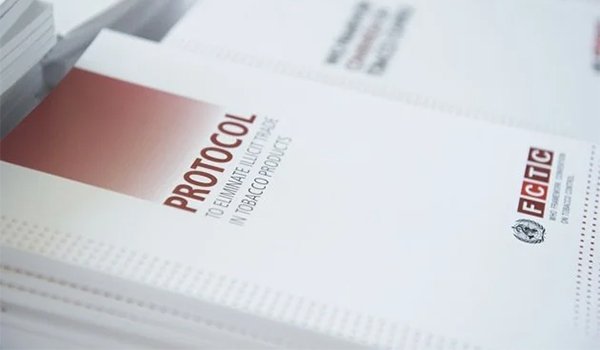
In this article 01. Overview of the Protocol to Eliminate Illicit Trade in Tobacco Products 02. The tobacco industry against the Protocol 03. The illegal tobacco market in Ukraine 04. Ukraine’s accession to the Protocol: legislative and political aspects 05. Chronology of Ukraine’s actions towards ratification of the Protocol 06. The price of not having the Protocol: a threat to public health and losses for the state 07. Links Share In this article 01. Overview of the Protocol to Eliminate Illicit Trade in Tobacco Products 02. The tobacco industry against the Protocol 03. The illegal tobacco market in Ukraine 04. Ukraine’s accession to the Protocol: legislative and political aspects 05. Chronology of Ukraine’s actions towards ratification of the Protocol: 06. The price of not having the Protocol: a threat to public health and losses for the state 03. Links Share Ukraine has been a Party to the WHO Framework Convention on Tobacco Control for twenty years, yet it has still not ratified the Protocol to Eliminate Illicit Trade in Tobacco Products to the WHO FCTC — the key international instrument for combating the illicit trade in tobacco products. Despite the obvious advantages, Ukraine’s ratification of the Protocol has been stalled for many years. These delays cost the state billions of hryvnias annually and contribute to the growth of the shadow tobacco market, undermining economic security and negatively affecting public health. This article examines the significance of the Protocol for Ukraine, the likely influence of the tobacco industry on the ratification process, and the consequences of prolonged inaction, which run counter to national interests and the objectives of public health policy. Overview of the Protocol to Eliminate Illicit Trade in Tobacco Products The WHO Framework Convention on Tobacco Control (hereinafter referred to as the WHO FCTC) is the first binding international treaty in the field of health concluded under the auspices of the World Health Organisation. The Convention was adopted in 2003 and entered into force in 2005, introducing legal instruments to combat the global tobacco epidemic. As of 2025, 183 states are parties to the WHO FCTC, covering more than 90% of the world’s population. Among them is Ukraine, which ratified the Convention in 2006 in accordance with the Law of Ukraine “On Ratification of the World Health Organisation Framework Convention on Tobacco Control“. Over the past decade, the WHO FCTC has proven its effectiveness as an effective mechanism for protecting public health, contributing to a significant reduction in tobacco and nicotine consumption worldwide. Within the framework of the implementation of the provisions of the WHO FCTC, in particular Article 15, the Protocol to Eliminate Illicit Trade in Tobacco Products (hereinafter referred to as the Protocol) was developed and adopted. It is the first additional international legal instrument to the WHO FCTC aimed at coordinating the actions of states and creating a system for preventing and controlling illicit trade in tobacco products. The Protocol entered into force in September 2018 — 90 days after ratification by the first 40 states — and currently has 71 Parties, demonstrating broad global support for the fight against illicit trade in tobacco products. The Protocol aims to eliminate all forms of illicit trade in tobacco products. It provides for the establishment of a global system for tracking and controlling the movement of tobacco products, including national and regional tracking systems and a global information exchange point. Particular attention is paid to the control of Internet sales, duty-free trade, transit and operations in free economic zones, which are often used for shadow schemes. In addition, the Protocol defines responsibility for illegal activities in the trade of tobacco products and promotes international cooperation between Parties and government agencies, serving as a global tool to combat the illicit trade in tobacco. The tobacco industry against the Protocol The World Health Organisation notes that the illicit trade in tobacco products contributes to an increase in their consumption. Illegal cigarettes are usually cheaper and more accessible, making them attractive to various segments of the population, particularly young people. As a result, the spread of illegal products undermines countries’ efforts to control tobacco and reduce tobacco use. The tobacco industry itself is often cited as the largest source of illicit trade: there is a body of evidence that manufacturers and intermediaries use semi-legal supply chains to facilitate the movement of tobacco products from low-tax areas to higher-tax markets. This allows them to maintain profits while increasing the availability of cheap tobacco products on the illegal market. According to various studies, the tobacco industry’s share in the supply of illegal products varies from country to country, but can reach 60-70% . At the same time, while declaring its fight against the illegal trade in tobacco products, the tobacco industry avoids supporting the Protocol as a key international instrument to combat illicit trade and instead promotes its own solutions that are beneficial to it. According to the results of a World Bank analysis presented in the study “Confronting Illicit Tobacco Trade implementation of the Protocol’s provisions faces challenges due to the tobacco industry’s active promotion of its own tracking and control systems, which do not meet the Protocol’s requirements. While the Protocol stipulates that control over the tobacco product tracking system should remain within the competence of governments, the tobacco industry has promoted the Codentify system in the European Union, which contradicts the Protocol and does not provide for adequate state control over the tracking of products that do not meet the requirements of Article 8.2 of the Protocol, which stipulates that the system must be controlled by a Party to the Protocol. Authorities must maintain distance from the tobacco industry, as industry-controlled systems can be opaque, subject to patent restrictions, and serve commercial interests rather than effectively combating illicit tobacco trade. The illegal tobacco market in Ukraine Despite the introduction of certain control measures in Ukraine, the scale of the shadow trade in tobacco products remains significant. According to Euromonitor International, in 2024, the total cigarette market in Ukraine —